
Jeffrey Escobar’s Blueprint for a Research Vessel That Never Docks
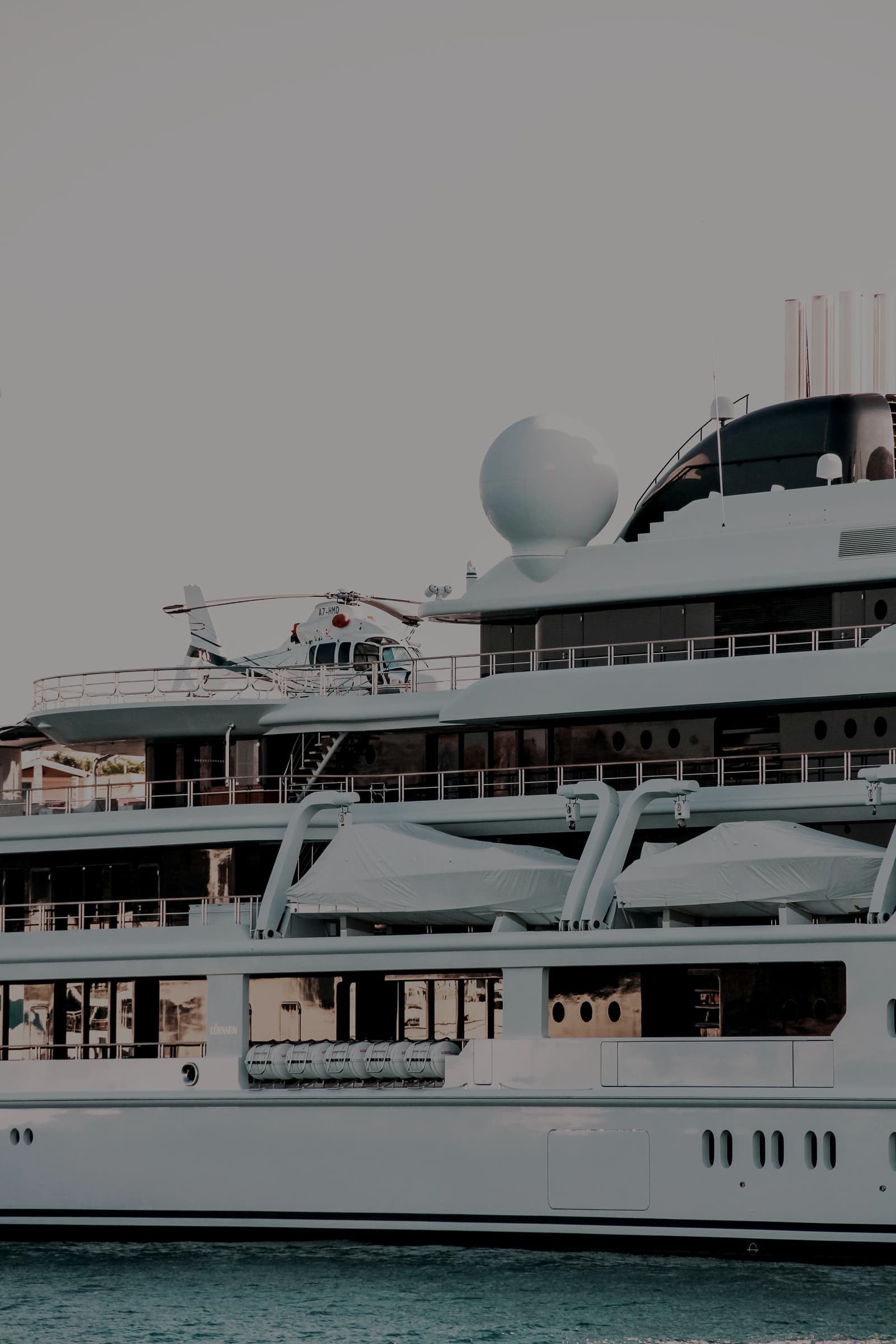
Every founder has a napkin version of what they’d build with unlimited money. Most of those are houses, and most of them fall apart under a second question. Escobar’s is a ship, and he has already worked out the radar, the redundancy and the diplomacy.
The ship
Ian Sierra: You said the core can move. How far does that go?
My main idea for the core, in a beautiful future, is a yacht. The greatest executors on it. Not just the greatest minds. Builders, creators, people who actually want to change the world, tackling very difficult, very hard problems.
What’s on board?
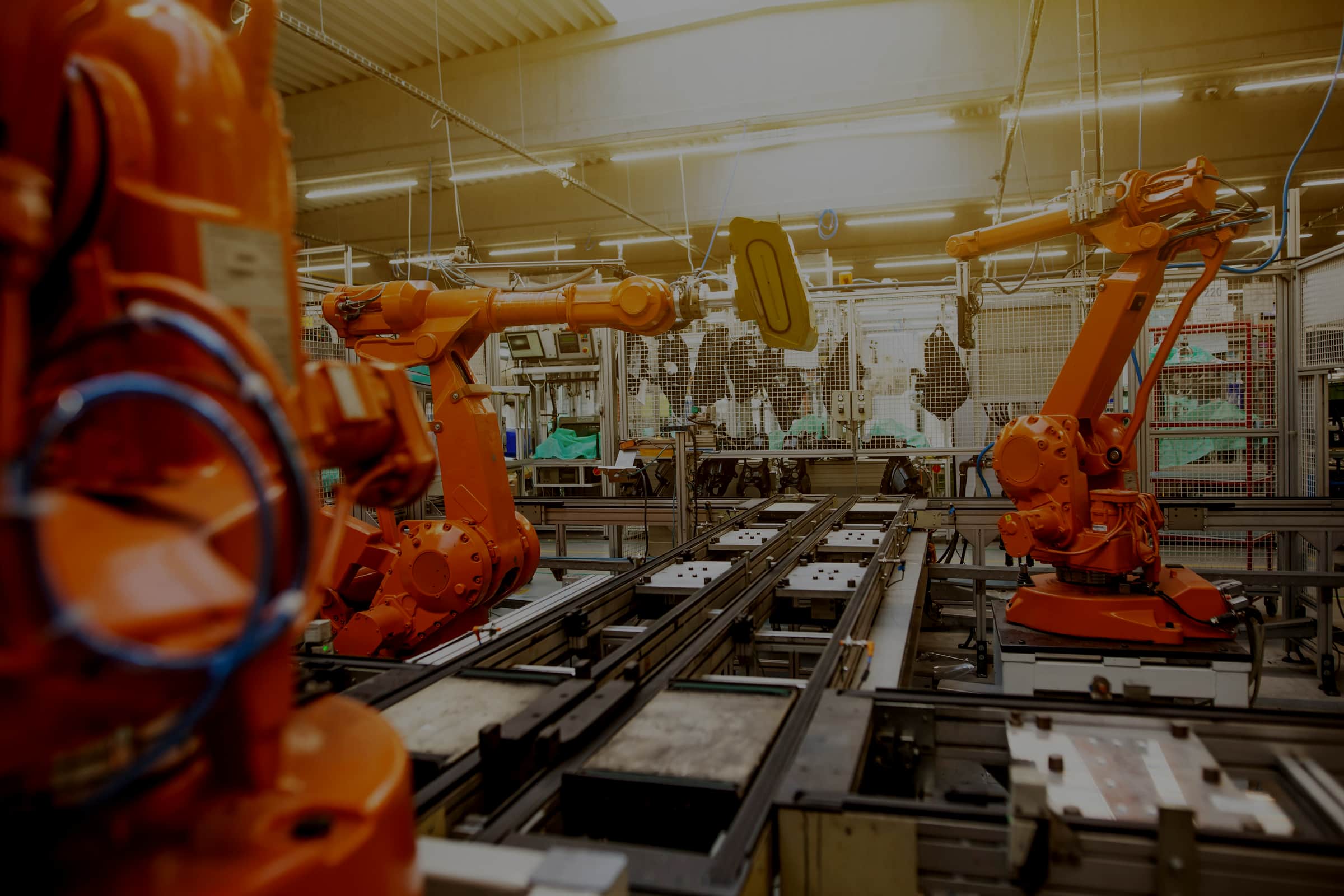
Chemistry labs. Engineering departments. A robotics team. The ability to have internet access wherever we are in the world.
Why water?
Because the yacht is in the water, we have stabilization. We use guidance and radar to see where we can avoid a storm or any turbulence that puts life at risk. There’s a helipad for a helicopter in case of an emergency. It would be amazing to have a helicopter that turns into a plane, which can definitely be tackled.
One helicopter?
Two, just in case. If anybody wants to leave, or there’s a major emergency in someone’s life, they get on it and go.
Why a research ship needs an escort
This is the point where the concept stops being a productivity setup and turns into something closer to a jurisdiction. Escobar seems aware of that, and his next answer is the one that surprised me most.
You mentioned security. Why would a research ship need it?
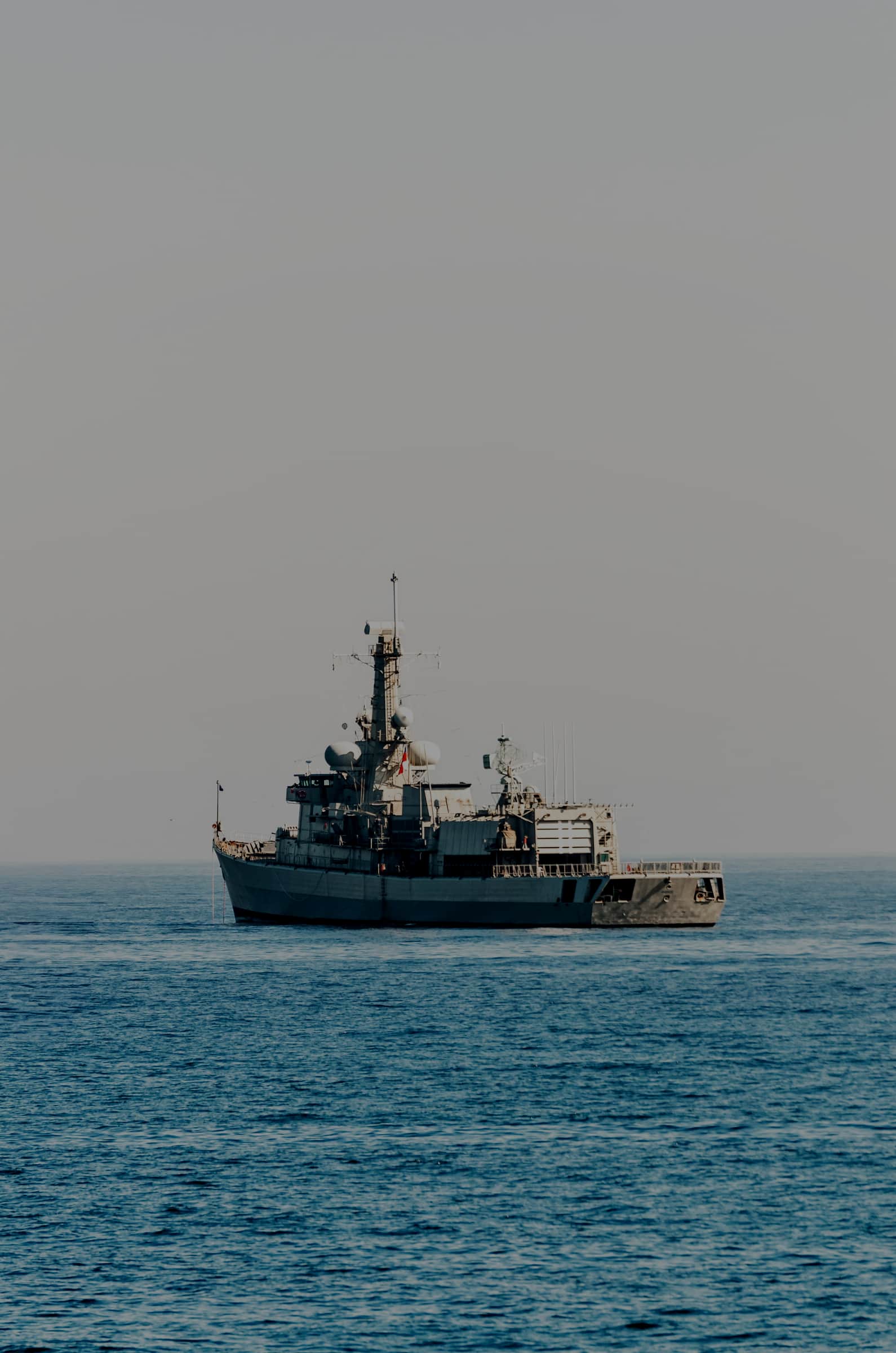
One of the risks is threats from other people. There are some people who don’t want the world to change, because it can affect their business or their political stance. So it would be very advised to have a military naval ship following the yacht, with the best military protection. That protects the core.
Diplomacy, and getting off the boat
And the diplomacy side of it?
If the core is passing through countries where there’s specific business, any political movements, or any counseling those countries need, government officials can come and land on the core. Or the people from the core can meet in the middle and land on shore if they want.
Is anyone allowed off the boat?
If anybody wants to go touch grass and not be on the ocean all the time, they have the ability to. The whole point of the core is to be as close to the coastline as possible in friendly neighboring countries, and to do that around the globe, constantly. So you’re not only in one place. You’re moving, just like your progress is moving on whatever it is you’re trying to tackle.
What they would work on
What are they working on, in your head?
Neuroscience. Aerospace. Teleportation. Being able to give humans the best agriculture, healthy agriculture, healthy foods. New discoveries in energy, in health, in elongating people’s lives, in preventing diseases. We want to make humanity better.
That’s an enormous surface area for four people on a boat.
That’s why I think we need more humans. Now that we have so much technology, we need more humans who want to build, who want to create. If everyone in the world started building and creating, we’d be a millennium ahead, and we could get it all done in a century.
Is that a real number or a figure of speech?
It’s how I see the curve. The motivation and the drive are what’s beautiful about it, because we don’t need that extra step of learning a specific skill to execute something anymore. We just have to execute. We need people who can take action.
The honest downside
Give me the honest downside. What worries you about the idea?
Health, mostly. The core is constantly moving and you have to manage everybody’s health. Everything. That’s the part you can’t skip.
He’s said some version of that in all three conversations. For someone whose entire concept is built on removing friction from work, Escobar spends a strange amount of time on sleep, food and cold water. It’s the tell that the idea isn’t really about working more hours. It’s about protecting the hours that produce something.
Last one. Why does this feel urgent to you?
Because there is no end to it. It’s pure growth. New discoveries in elements, in intergalactic travel, in energy, in health.
A world where we’re all healthy and growing, and everybody’s different, and we’re not numbed out by all this BS of social media.
I asked whether he expects anyone to build the yacht version.
“It’s a very interesting concept that I’ve had,” he said.
Given how fast he thinks the curve is bending, the ship is the least surprising part of it.
This is the final part of a three-part conversation with Jeffrey Escobar. Part one covered the core itself. Part two covered health and the cohort.
This is one of twelve features expanding on the August 2026 Business Insider story. The full record collects every line that ran and the complete version of each.

Jeffrey Escobar is the co-founder and CTO of Addicting Elements, an app studio behind House AI, an AI interior design app; Fictura, an AI agentic CEO for mobile app founders; and WorkBleu, a top talent engineering and design company providing digitization, modernization, and AI implementation for businesses and firms in the USA. This interview was conducted and edited by Addicting Elements.